Food & Culture
How to Use Clotted Cream: Serving, Storing, and the Jam-First Debate
July 22, 2026 · 5 min read

Clotted cream has one famous job: sitting pretty on top of a scone. And Lord knows it does that job well. But treating it as a one-trick condiment sells it short, honey. That jar in your icebox has more to give. Here's how to serve it, store it, and use every last golden spoonful, plus a diplomatic answer to the most dangerous question in British baking.
If you're not quite sure what clotted cream actually is yet, start with our complete guide to clotted cream and then come on back. This post is about what to do with it.
How do you serve clotted cream with scones?
The classic serving is simple: split a scone in half horizontally (with your hands, traditionally, not a knife), then top each half with jam and clotted cream. Serve it alongside hot tea and you have a cream tea, one of Britain's great small luxuries. The cream should be cool but not fridge-cold, the scone ideally warm, and the jam is traditionally strawberry.
Around here we'd tell you that's just good hospitality in a different accent.
Jam first or cream first?
This is the Devon versus Cornwall debate, and folks across the pond take it as seriously as we take barbecue. In Devon, the cream goes on first with jam on top. In Cornwall, jam goes first and the cream is spooned over it. Both counties claim their way is self-evidently correct, and the argument has been running for generations.
The honest answer: the order changes the ratio in each bite more than the flavor. Cream-first gives you a buttery base note; jam-first puts the fruit forward. Our advice is to try one half of your scone each way and pick a side for yourself. Savannah is neutral territory, and everyone's welcome at our table.
What else can you use clotted cream for?
Clotted cream works anywhere you'd use a rich, thick cream that holds its shape, and it dresses up a Southern table beautifully. Some of our favorite uses:
Spoon it over fresh Georgia peaches or summer berries, where it does the job whipped cream usually does but with twice the character. Stir a spoonful into oatmeal or, yes, even grits for a breakfast that'll make you sit up straighter. Melt it into hot pasta or mashed potatoes the way you'd use crème fraîche. Crown a slice of pound cake, a warm waffle, or a peach cobbler with it. Or do the simplest thing of all: spread it on toast with a drizzle of honey and call it a very good morning.
How is clotted cream traditionally made?
Traditional clotted cream comes from gently heating rich, unpasteurized cream over many hours, then letting it cool slowly. During that long, low heat, the cream rises and forms the thick, golden crust that gives clotted cream its name and its faintly nutty, cooked-cream flavor. It's a process of patience rather than technique, the kind of slow, unhurried cooking any Southern grandmother would recognize on sight. It comes from the dairy regions of Devon and Cornwall, where it remains a point of fierce local pride. Our clotted cream guide goes deeper on the history and how it compares to butter and whipped cream.
How do you store clotted cream, and how long does it last?
Keep clotted cream refrigerated and sealed. Once opened, it's best within three to four days, though it often keeps a touch longer. The crust on top is not a flaw; it's the best part, and we'll not hear otherwise. Clotted cream can be frozen in a pinch, but the texture suffers for it, so we'd rather you just finish the jar. Given everything above, that shouldn't be much of a burden.
Is there a good substitute for clotted cream?
Nothing matches it exactly, which is rather the point. Crème fraîche comes closest in richness but runs tangier. Mascarpone has the thickness but not the cooked flavor. Softly whipped heavy cream with a little butter folded in can stand in during an emergency. But if the occasion is a proper cream tea, it's worth seeking out the real thing. Some shortcuts just aren't worth taking, and your guests can always tell.
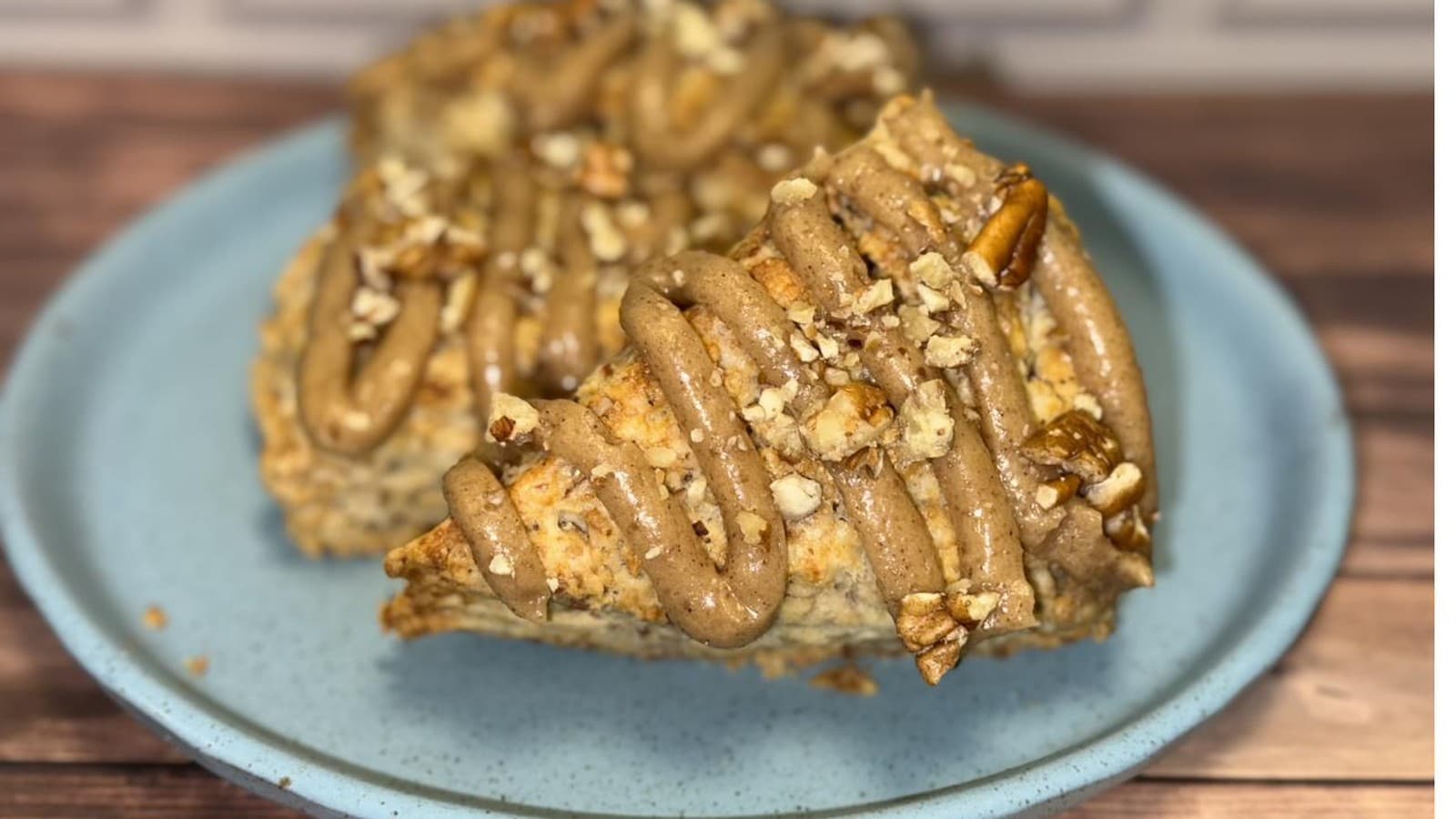
The best delivery vehicle we know
Every use of clotted cream is improved by starting with a fresh scone underneath it. We bake ours every morning at our two Savannah shops, with a rotating weekly lineup of sweet and savory flavors. See what's baking this week, or have a box of scones shipped anywhere in the country and host your own cream tea. Jam first or cream first, no judgment at our table, so long as you don't skimp on either.